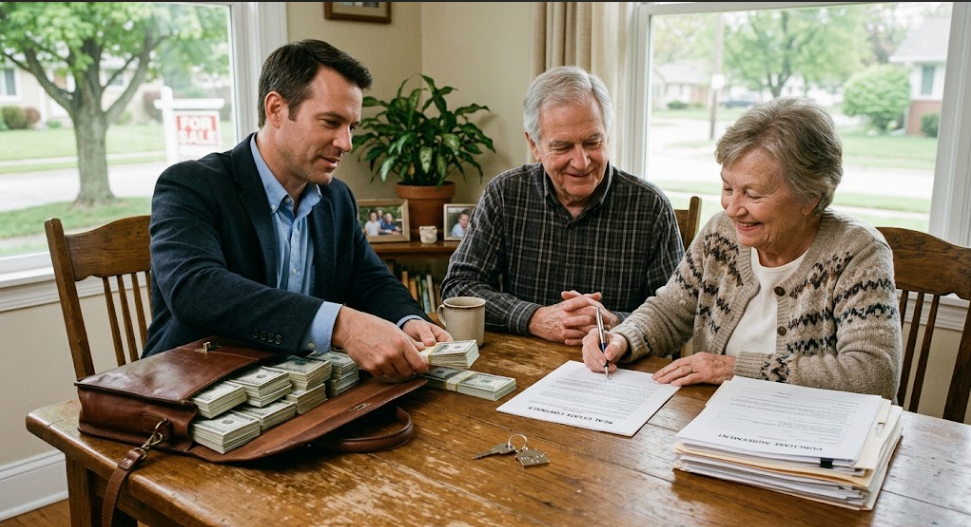
How to Find Out If You Have Unclaimed Foreclosure Funds
Losing a home to foreclosure can be financially and emotionally overwhelming. However, many former homeowners don't realize that a foreclosure sale may leave money behind that they could be entitled to receive.
If your property was sold at a foreclosure auction for more than the outstanding debt and applicable costs, the remaining money may be considered surplus funds. Depending on the circumstances, you could have a legal right to claim some or all of that money.
Understanding how to find unclaimed foreclosure funds is the first step toward discovering whether money may still be waiting for you.
What Are Unclaimed Foreclosure Funds?
Unclaimed foreclosure funds are money left over after a foreclosed property is sold and the required debts, liens, and expenses have been paid.
These funds may also be called foreclosure surplus funds, excess proceeds, or foreclosure overages.
For example, suppose your home was sold at a foreclosure auction for $250,000. If the mortgage balance and other required payments totaled $210,000, there could be $40,000 in potential surplus proceeds.
However, that amount does not automatically belong to the former homeowner. Other creditors may have legally enforceable claims, and distribution rules vary by state.
Our Excess Proceeds Recovery Services help former property owners understand the recovery process and explore whether funds may be available.
How to Find Out If You Have Unclaimed Foreclosure Funds

If your home was foreclosed on, there are several steps you can take to determine whether money was left over after the sale.
1. Find Your Property's Foreclosure Sale Information
Start by locating the official records related to your property's foreclosure.
Depending on your state, foreclosure records may be available through:
- County clerk or recorder offices
- County court records
- Sheriff's offices
- Foreclosure trustees
- County tax collector or treasurer offices
Look for the final foreclosure sale price, the date of the auction, and any documents describing how the sale proceeds were distributed.
These records can help establish whether your property generated excess money.
2. Compare the Sale Price With the Outstanding Debt
Once you know the foreclosure sale price, compare it with the mortgage balance and other amounts that were required to be paid.
Potential deductions may include:
- Outstanding mortgage debt
- Applicable foreclosure expenses
- Court or trustee fees
- Unpaid property taxes
- Other valid liens or claims
If money remained after the required payments, the sale may have generated Foreclosure Excess Proceeds that could be subject to a claim.
The exact calculation and payment priority depend on applicable state law.
3. Contact the County Office or Foreclosure Trustee
If you believe funds are available, contact the office or person responsible for handling the foreclosure sale.
Ask whether surplus proceeds were generated and where those funds are currently being held.
Be prepared to provide:
- Your full legal name
- The foreclosed property's address
- The approximate foreclosure date
- Proof of your former ownership, if requested
- Any foreclosure case or sale reference number
Some jurisdictions maintain searchable records, while others require direct inquiries.
4. Search Official Unclaimed Property Records
In some circumstances, money that remains unclaimed may eventually be transferred to a government agency responsible for holding unclaimed property.
You can check your state's official unclaimed property program to see whether funds are listed under your name.
Keep in mind that not all foreclosure surplus funds appear in state unclaimed property databases. Some remain with a court, county agency, or foreclosure trustee.
5. Get Professional Help Reviewing Your Potential Claim
Finding the money is only part of the process. You may also need to establish your legal entitlement, provide supporting documentation, and follow specific filing procedures.
Our Foreclosure Overage Recovery support can help you navigate the process of identifying potential surplus proceeds and understanding the steps involved in pursuing a claim.
Who Is Eligible to Claim Foreclosure Surplus Funds?

Eligibility depends on state law, the foreclosure type, and any competing legal claims.
Potential claimants may include:
- Former homeowners: Individuals who owned the property before the foreclosure sale.
- Legal heirs or estates: Individuals or estates that may have inherited rights to proceeds from a deceased property owner.
- Lienholders: Creditors with valid liens against the foreclosed property.
- Other legally entitled parties: Individuals or organizations that can establish a valid claim under applicable law.
If you previously owned a foreclosed property, you may still have rights to remaining proceeds even though you no longer own the home.
Our Surplus Funds Claim Assistance can help you understand the documentation and claim requirements involved in seeking available funds.
What Documents Do You Need to Claim Foreclosure Funds?
The required paperwork varies by jurisdiction, but preparing your records in advance can make the process easier.
Commonly requested documents include:
- Government-issued photo identification
- Proof of previous property ownership
- Foreclosure sale records
- Mortgage or loan information
- Documents showing your entitlement to the proceeds
- Court forms or claim applications
- Probate or inheritance documents, when applicable
Additional paperwork may be necessary if there are outstanding liens, ownership disputes, or competing claims.
Before submitting anything, confirm the requirements with the agency holding the money.
How Long Do You Have to Claim Foreclosure Surplus Funds?
The deadline to claim surplus funds depends on the state and the type of foreclosure.
Some states establish specific claim periods, while others require filing through a court or another designated process.
Waiting too long may complicate recovery or affect your ability to submit a claim.
Why Acting Promptly Matters
Taking action early can help you:
- Locate foreclosure records while they are readily available.
- Identify which agency currently holds the money.
- Gather documents needed to establish eligibility.
- Address potential competing claims.
- Meet applicable filing deadlines.
If your property was foreclosed on years ago, it may still be worth checking whether funds remain available.
Common Mistakes to Avoid When Claiming Foreclosure Funds
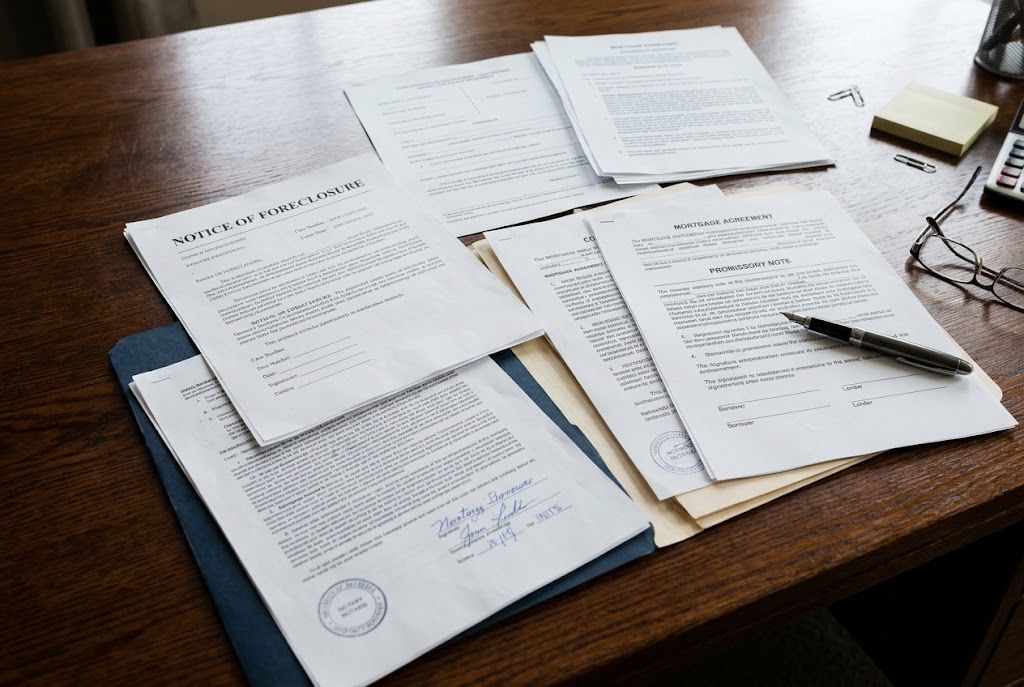
Recovering potential surplus money can become complicated when important details are overlooked.
Assuming the Bank Keeps All Remaining Money
A foreclosure sale does not necessarily mean the lender is entitled to every dollar collected.
Depending on applicable laws and the claims involved, remaining proceeds may belong to other parties, including the former homeowner.
Failing to Check Official Records
Some homeowners never investigate whether their property sold for more than the debt owed.
Reviewing the actual sale records is an important first step.
Missing Filing Deadlines
Claim requirements and deadlines vary by jurisdiction. Delaying your investigation may make recovery more difficult.
Paying Unverified Recovery Companies
Be cautious of anyone who guarantees a payout, pressures you to sign immediately, or requests sensitive personal information without explaining their role.
You can often check official records and begin researching your eligibility independently. If you choose professional assistance, carefully review all fees, authorizations, and contracts.
How Professional Foreclosure Fund Recovery Assistance Can Help
Tracking down surplus proceeds can be challenging, particularly if you are unfamiliar with foreclosure records, court procedures, or claim documentation.
Professional assistance may help simplify the research and preparation involved.
Our Unclaimed Foreclosure Funds support focuses on helping former property owners explore whether they may be entitled to money remaining after a foreclosure sale.
Depending on your situation and the services available, assistance may involve:
- Researching foreclosure sale information
- Identifying potential surplus funds
- Reviewing available ownership records
- Explaining general claim requirements
- Helping organize supporting documents
- Guiding you toward the appropriate claim process
No recovery can be guaranteed. Every claim depends on the available funds, applicable laws, and the claimant's eligibility.
Frequently Asked Questions About Unclaimed Foreclosure Funds
Can I Still Claim Money After My House Was Foreclosed On?
Possibly. If your property generated surplus proceeds and you are legally entitled to receive them, you may be able to submit a claim. Eligibility and deadlines depend on the jurisdiction.
How Do I Know Whether My Foreclosed Property Sold for More Than I Owed?
Review the official foreclosure sale records and compare the final sale price with the debt, applicable expenses, and other valid claims against the proceeds.
Are Foreclosure Surplus Funds Automatically Sent to Former Homeowners?
Not always. Some jurisdictions have procedures for notifying or paying eligible claimants, while others require a formal claim or court application.
Can I Claim Foreclosure Funds Without Hiring a Professional?
In many jurisdictions, eligible individuals can file claims themselves. However, legal or professional assistance may be useful when the process is complicated or claims are disputed.
What If My Foreclosure Happened Several Years Ago?
You can still investigate whether funds were generated and where they may be held. Whether you can successfully claim them depends on the applicable rules and deadlines.
Find Out Whether You Have Money Waiting After Foreclosure
A foreclosure can be a difficult experience, but you may still have financial rights worth investigating.
If your former property sold for more than the outstanding obligations, there could be surplus proceeds available to eligible claimants.
Don't leave potential money unclaimed without checking.
Our team can help you explore your situation, understand the recovery process, and take the next step toward pursuing funds you may be entitled to receive.
Schedule Your Foreclosure Funds Consultation Today!
Call: (844)-4MY-MONEY
Contact us to discuss your previous foreclosure and find out how we may be able to assist you.